
Foundations
Sleep is a metabolic superpower
We talk about diet. We talk about exercise. But the third pillar of metabolic health happens with your eyes closed — and when it’s missing, your hunger hormones notice within days.

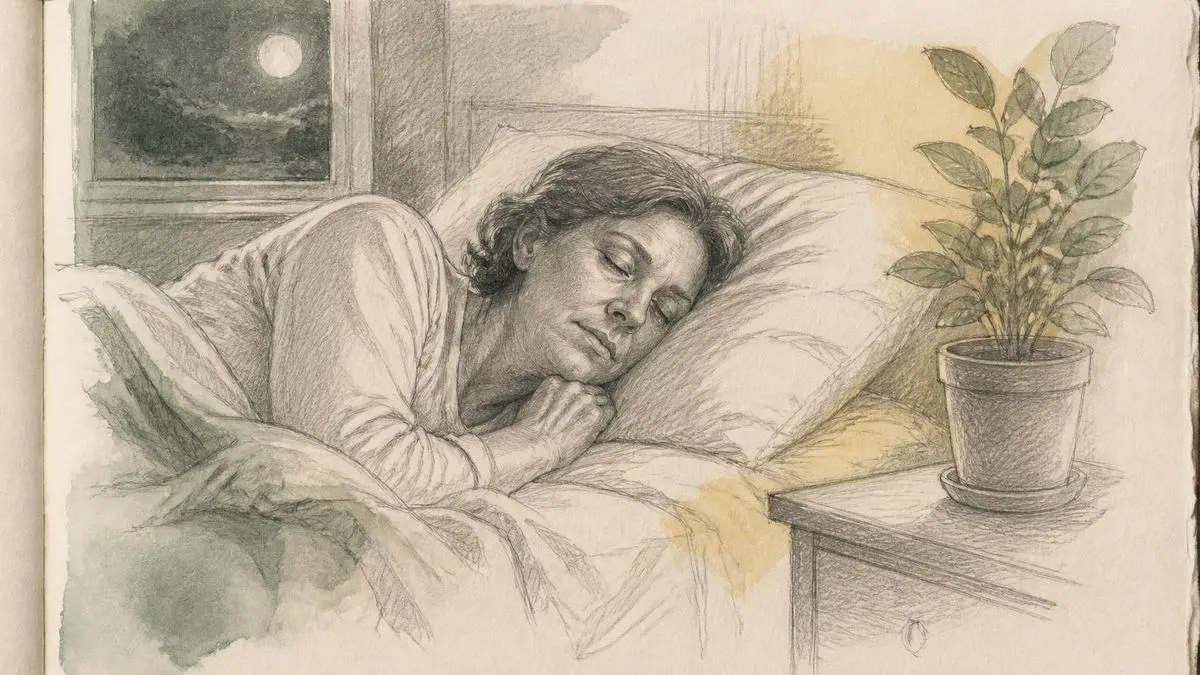
If a treatment existed that lowered hunger, improved blood sugar, steadied mood, and made every other healthy habit easier — you would want it prescribed. That treatment exists. It’s sleep.
This isn’t a lecture about going to bed earlier. It’s an explanation of why weight and sleep are so tightly linked — because once you see the biology, the frustrating parts of your week start making sense, and the fixes get more precise.
What happens to hunger when you sleep too little?
The experiments here are remarkably consistent. After even a few nights of short sleep:
- Ghrelin — the hunger hormone — rises. Food feels more urgent, sooner.
- Leptin — the fullness signal — falls. The same meal satisfies less.
- Cravings shift toward quick energy. Brain-imaging studies show the reward centres respond more strongly to high-calorie food when we’re underslept. Reaching for pastry after a bad night is not weak character — it is predictable neuroscience.
- The extra eating is real. In controlled studies, short-slept adults eat several hundred calories more per day, without noticing.
What does sleep have to do with blood sugar?
A lot. Restrict healthy volunteers to four or five hours of sleep for less than a week and their insulin sensitivity drops measurably — their bodies temporarily handle sugar like those of people with prediabetes. Recovery sleep restores it. Over years, chronically short or irregular sleep is consistently associated with higher risks of weight gain and type 2 diabetes.
Timing matters too. Our metabolism follows a circadian rhythm — the same meal is handled better earlier in the day than late at night. Shift workers know this battle well, and deserve tailored strategies rather than generic advice.
A short night doesn’t just make you tired — it makes you hungrier, less satisfied, and temporarily more insulin resistant. Protecting sleep is treating weight.
The two-way street: sleep apnea
Here the relationship runs in both directions. Higher body weight makes obstructive sleep apnea more likely — the airway narrows during sleep, breathing pauses, and sleep fragments into something unrefreshing. And that fragmented sleep, in turn, drives the hunger biology above. It is a loop.
Worth knowing: apnea is very treatable, and treating it is one of the most life-changing interventions in this field — energy, mood, blood pressure, and weight efforts all benefit. Newer obesity medications have even shown meaningful improvement in sleep apnea severity, and one (tirzepatide) is now approved for exactly that. If you snore loudly, wake gasping, or feel exhausted despite a full night in bed, ask your doctor about testing. It’s a simple study, often done at home.
What actually improves sleep?
Not perfection — practice. A few experiments worth trying, one at a time:
- Keep a consistent wake time, even on weekends. The rhythm is anchored by when you get up, not when you go to bed.
- Get morning light. Ten minutes outside sets the body clock more powerfully than any app.
- Give caffeine a curfew — early afternoon for most people.
- Dim the last hour. Lower lights, quieter screens; let the brain see evening coming.
- Keep the bedroom cool, dark, and boring — the good kind of boring.
- If you can’t sleep, get up briefly. Beds are for sleeping, not for lying awake practising frustration.
Try one for two weeks. Notice what changes. Adjust. Small steps still count — and if sleep stays broken despite good habits, that’s a medical conversation, not a discipline problem. Insomnia, restless legs, apnea, menopause, pain, and several medications all have real treatments.
Where sleep fits at GOALS
Sleep is assessed in every obesity medicine consultation at Guelph Internal Medicine Clinic — including screening for sleep apnea — because treating weight while ignoring sleep is like bailing a boat without patching it. These consultations are covered by OHIP, by referral from your family doctor or nurse practitioner.
Common questions
Can lack of sleep really cause weight gain?
Yes. Short sleep shifts hunger hormones (more ghrelin, less leptin), increases cravings, and adds several hundred unnoticed calories a day in controlled studies — while also reducing insulin sensitivity. Over time this is a meaningful driver of weight gain.
How many hours do I actually need?
Most adults function best with 7–9 hours, on a reasonably regular schedule. If you routinely sleep that long and still feel unrefreshed, something else — such as sleep apnea — may be interrupting sleep quality, and testing is worthwhile.
What are the warning signs of sleep apnea?
Loud snoring, pauses in breathing noticed by a partner, waking with gasping or headaches, and daytime sleepiness. It’s common, underdiagnosed, and very treatable — home testing is often available. Ask your family doctor.
Do naps help or hurt?
A 20–30 minute nap earlier in the day can be genuinely restorative. Long or late naps push bedtime later and fragment night sleep. A daily need for long naps deserves a medical look.
Sources & further reading
- Obesity Canada. Canadian Adult Obesity Clinical Practice Guidelines — sleep chapter. obesitycanada.ca
- Spiegel K, Tasali E, Penev P, Van Cauter E. Annals of Internal Medicine (2004). Sleep curtailment in healthy young men is associated with decreased leptin levels, elevated ghrelin levels, and increased hunger and appetite. PubMed 15583226
- Canadian Society for Exercise Physiology. 24-Hour Movement Guidelines for Adults. csepguidelines.ca
- Malhotra A, et al. New England Journal of Medicine (2024). Tirzepatide for the treatment of obstructive sleep apnea and obesity (SURMOUNT-OSA). PubMed 38912654
This article is general health information, not personal medical advice. If you have symptoms of a sleep disorder, please speak with your family doctor or nurse practitioner — they can arrange testing and refer you for an OHIP-covered consultation.